

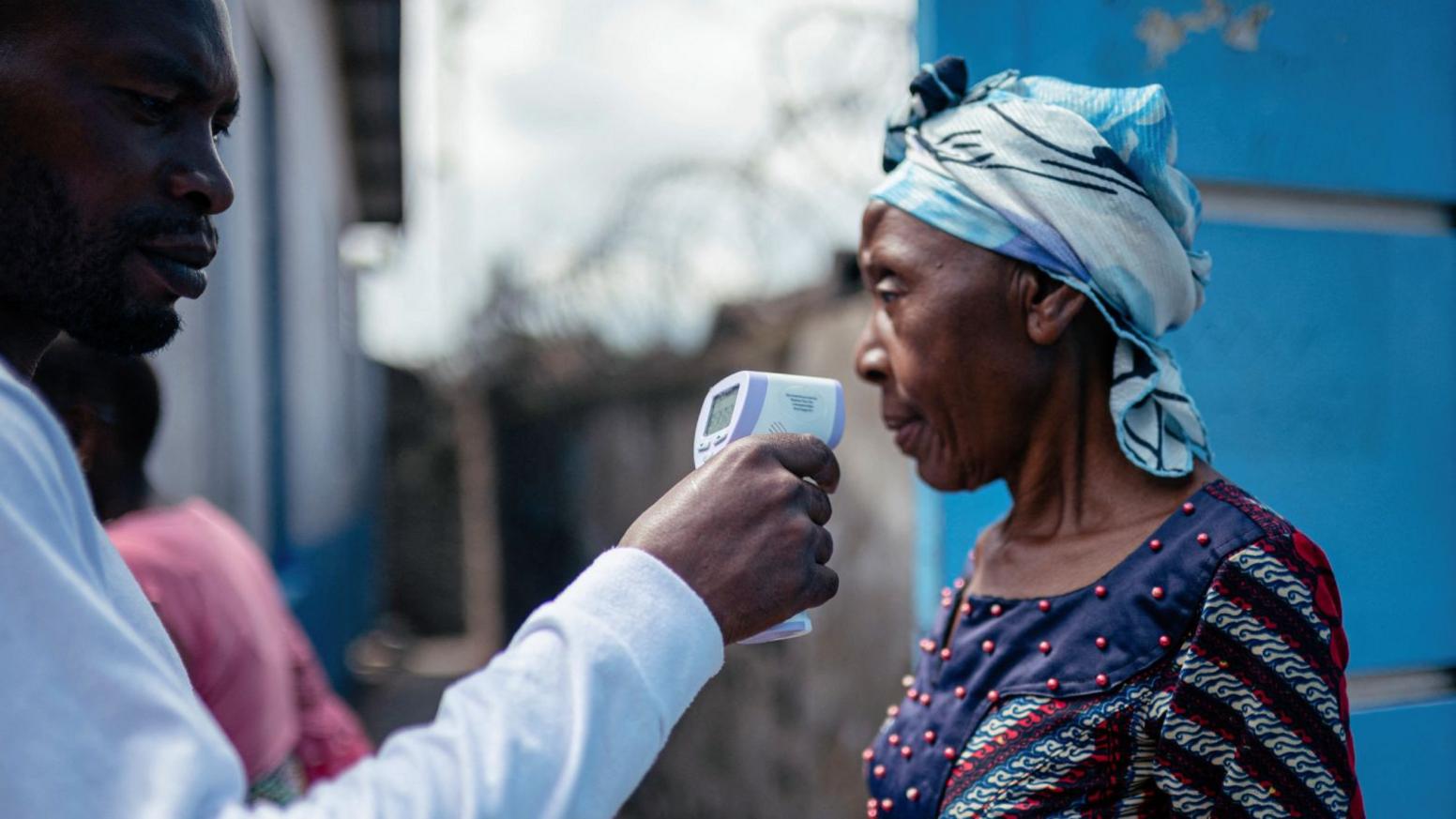
The World Health Organization has sounded the alarm over a growing Ebola outbreak in the Democratic Republic of Congo — but how worried should the world really be?
The WHO has officially declared the outbreak a “public health emergency of international concern” after around 246 suspected cases were reported in eastern DR Congo’s Ituri province.
And 80 deaths were reported in eastern DR Congo’s Ituri province.
Yet officials stress this is not being classified as a pandemic emergency — at least not for now.
What’s making experts uneasy is the uncertainty.
“This could potentially be a much larger outbreak than what is currently being detected,” warned WHO chief Dr Tedros Adhanom Ghebreyesus.
The outbreak involves the Bundibugyo strain of Ebola — a particularly troubling detail because there are currently no approved vaccines or treatments for it.
The virus has already spread beyond Congo’s borders, with Uganda confirming cases.
Another infection has reportedly appeared in the eastern city of Goma.
Ebola Containment Efforts Continue
Add in crowded mining towns, porous borders and ongoing conflict, and health officials fear the perfect conditions for wider transmission.
Ebola spreads through direct contact with infected bodily fluids and can kill up to half of those infected.
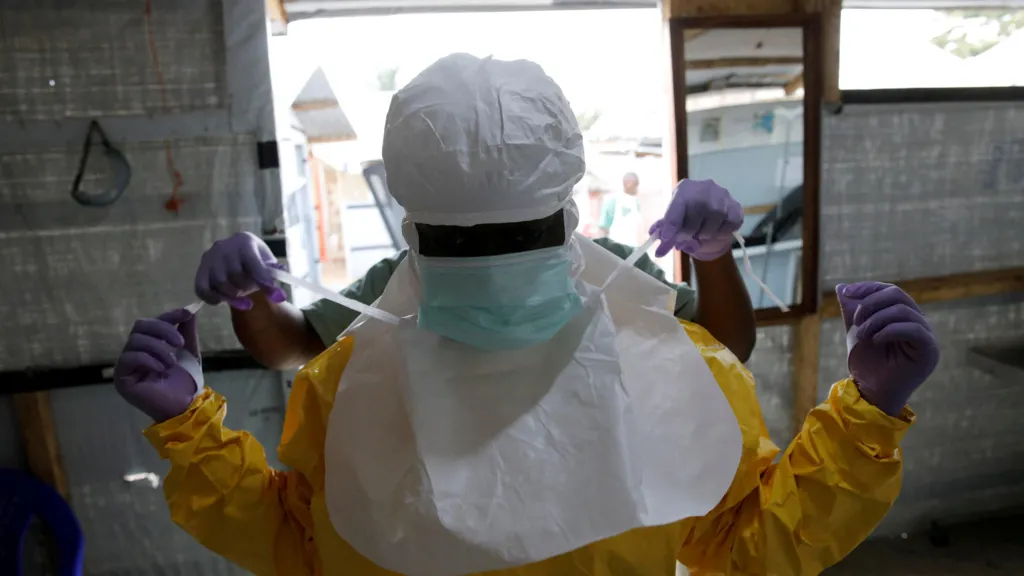
Symptoms often begin like the flu before escalating into vomiting, bleeding and organ failure.
Still, the WHO urged countries not to panic. Closing borders, it said, is “driven by fear, not science.”
For now, Africa is racing to contain the outbreak before it turns into something far harder to stop — because with Ebola, timing can mean everything.