
What happens when a country built on pacifism starts talking more openly about military power?
In Japan, that question is no longer academic — it’s spilling onto the streets.
Under Prime Minister Sanae Takaichi, Japan is making one of its biggest shifts in defence policy since World War Two.
Restrictions on arms exports have been loosened, and the military’s overseas role is expanding.
Many Japanese fear the nation is drifting away from its long-held “no war” identity. And people are pushing back.
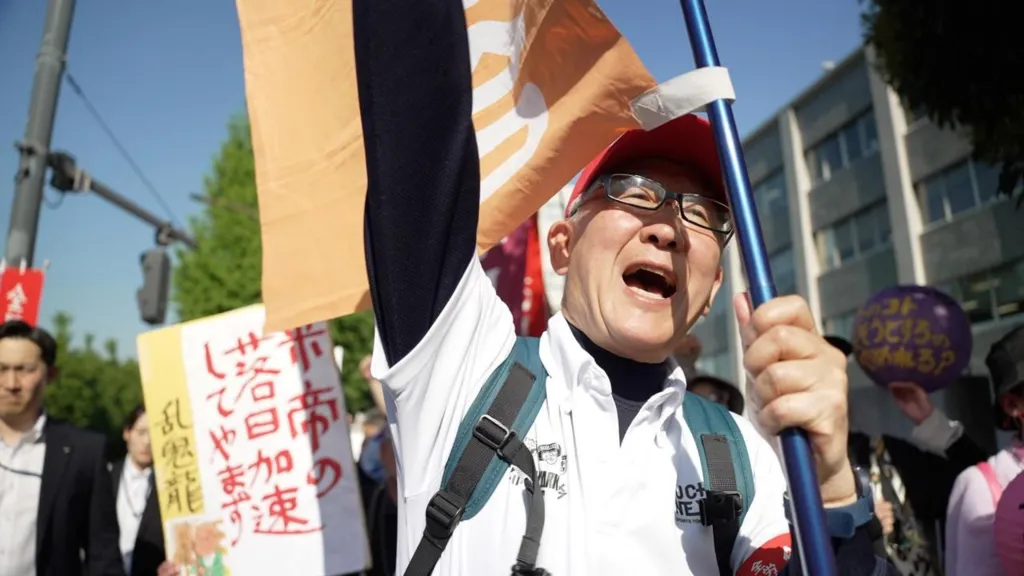
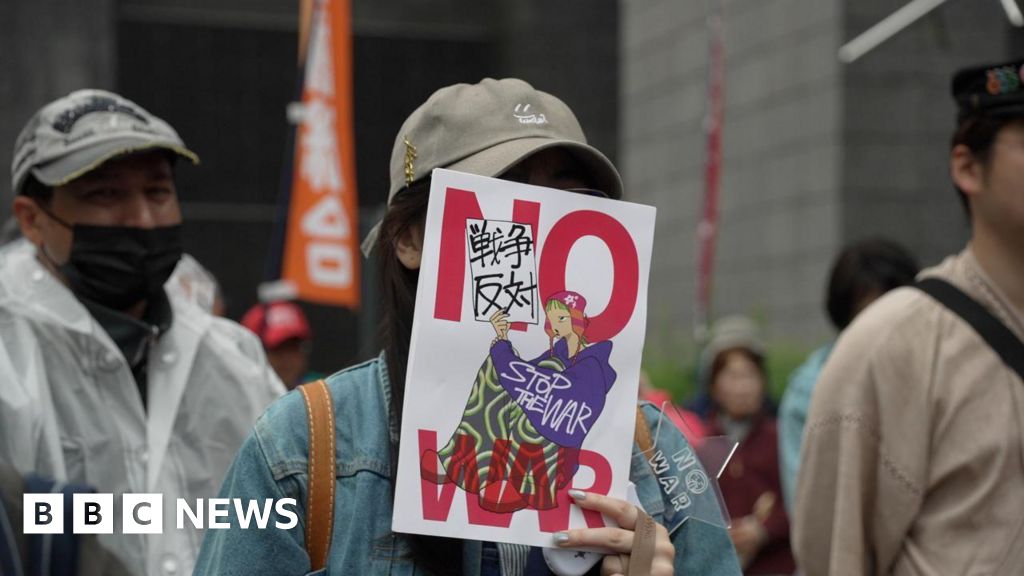
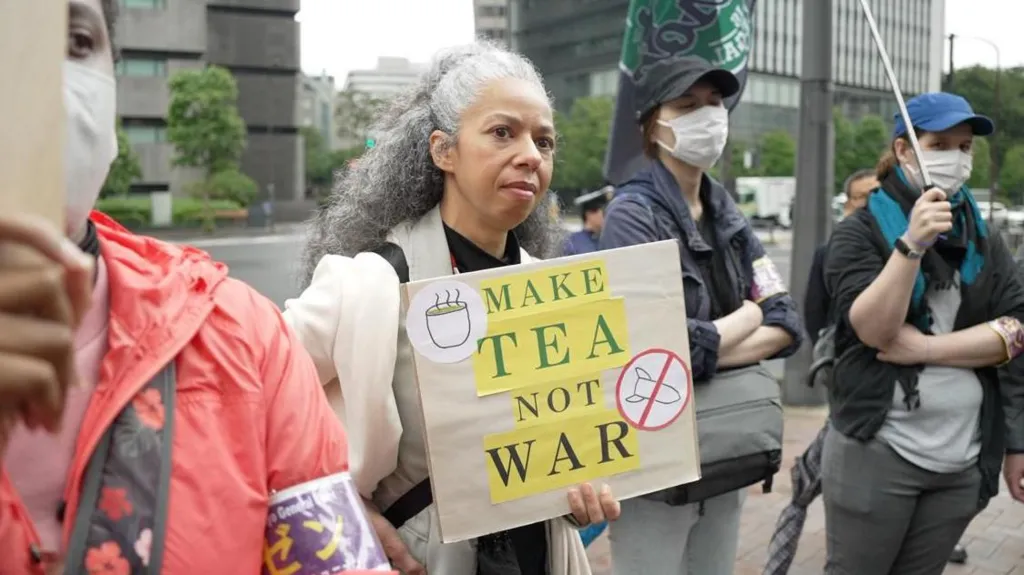
In rain-soaked protests across Tokyo and other major cities, crowds have gathered carrying banners reading “No War.”
For a country where public demonstrations are usually restrained, the growing movement is striking.
Pacifist Debate Intensifies
“I’m angry these changes are happening without listening to the public,” protester Akari Maezono said, reflecting fears shared by many younger Japanese.
At the heart of the debate is Article 9 of Japan’s constitution — the famous pacifist clause adopted after the devastation of World War II.
Supporters say it kept Japan out of modern conflicts. Critics argue it no longer fits today’s tense reality, with China, North Korea and Russia nearby.
So Japan now faces a difficult choice: cling to the lessons of history, or prepare for a future that feels increasingly uncertain.
And in a nation famous for cautious change, even that debate is becoming louder than ever.