

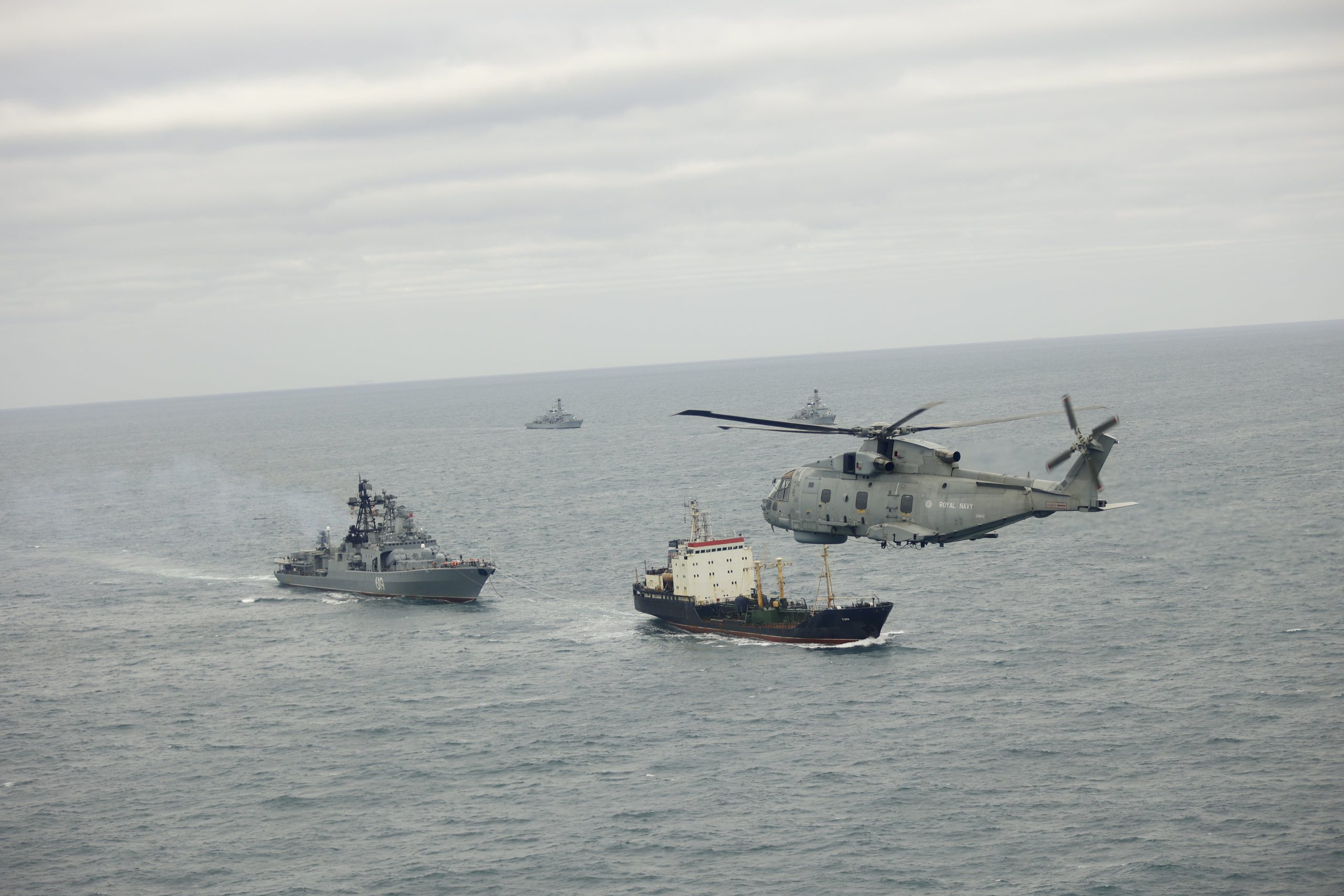
The UK says it has tracked and deterred three Russian submarines.
During what officials describe as a month-long “covert operation” near vital undersea cables and pipelines.
These aren’t just ordinary sea routes—they carry the digital and energy lifelines connecting Britain and its allies.
Defence Secretary John Healey didn’t hold back.
He said Britain, working with Norway and other allies, deliberately exposed the activity to send a message: “We see your activity over our cables and pipelines… any attempt to damage them will not be tolerated.”
According to the UK Ministry of Defence, the operation involved an Akula-class attack submarine.
Alongside two highly specialised vessels linked to Russia’s secretive deep-sea research unit.
Undersea Surveillance Tensions
Officials say one submarine may have even acted as a “decoy,” while the others quietly surveyed underwater infrastructure.
One defence source put it bluntly: these vessels are “designed to survey underwater infrastructure during peacetime and sabotage it in conflict.”
The UK responded with warships, aircraft, and sonar buoys—basically shadowing every move.
Officials say around 500 personnel were involved, with hundreds of flight hours logged.
And the result? No damage detected—but plenty of tension.
Because here’s the bigger question: in an era where wars may start underwater, how long before the ocean becomes the next frontline?