

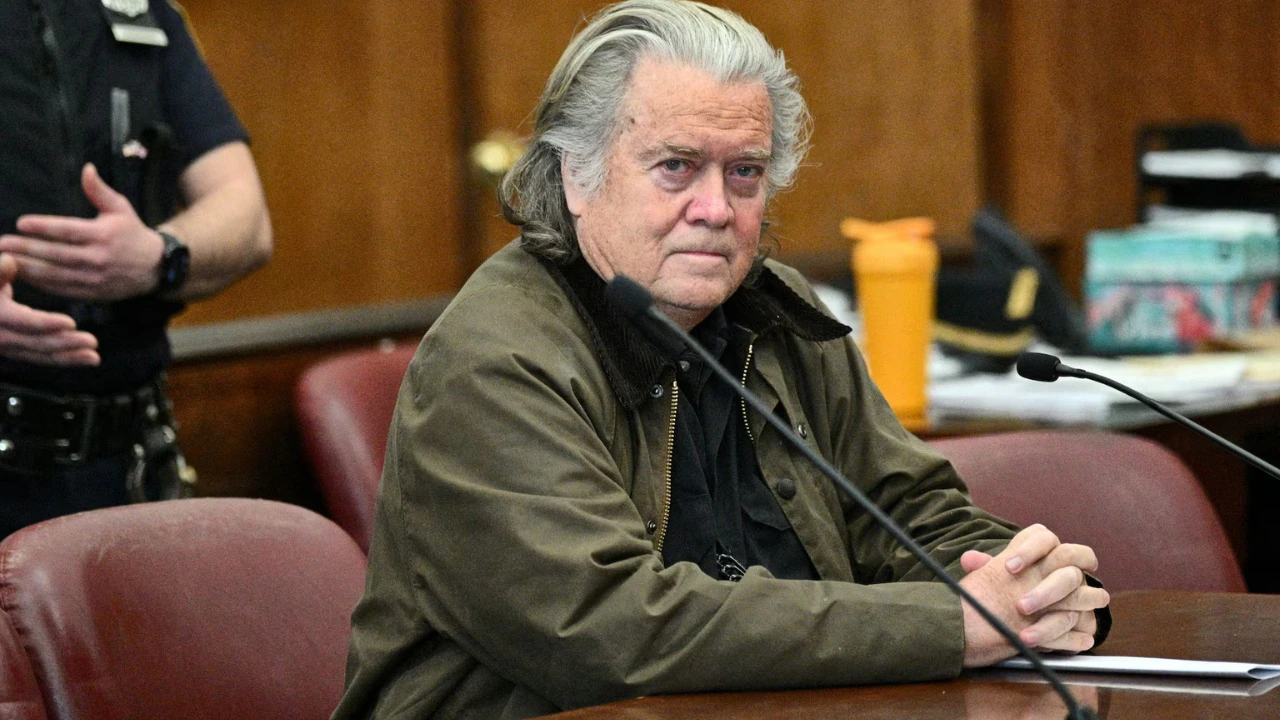
What happens when a high-profile conviction starts to unravel—after the sentence is already served?
That’s the question now swirling around Steve Bannon.
In a surprising move, the US Supreme Court has cleared the path for his contempt of Congress conviction to be tossed out.
Sending the case back to a lower court where dismissal now seems likely.
Bannon was convicted in 2022 for defying subpoenas linked to the January 6 Capitol riot.
He even served four months behind bars. So why revisit the case now?
Politics Shapes Outcome
The answer lies in politics—and timing. The administration of Donald Trump argued that dropping the case would serve “the interests of justice.”
The court didn’t elaborate, but its unsigned order effectively wipes out an earlier appeals ruling.
Behind the scenes, legal insiders see this as more symbolic than practical.
“The sentence is done,” one might note, “but the record still matters.”
Bannon, a key figure in Trump’s 2016 rise and a relentless ally since, remains deeply embedded in the political landscape.
So, is this legal closure—or political rewriting of history? Sometimes, in Washington, even finished cases don’t stay finished.