
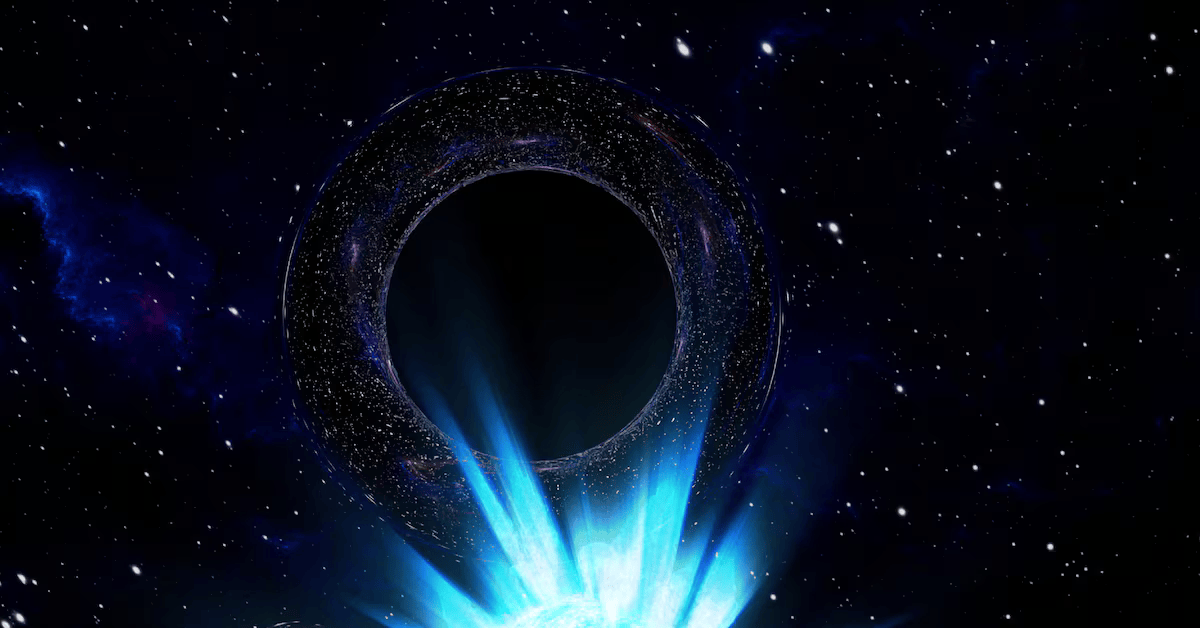
What if some stars don’t just die… but vanish without a trace?
That’s the mystery scientists are now getting closer to solving.
We’ve long known that when massive stars explode as supernovas, they usually leave something behind—a dense neutron star or a black hole.
But what if the explosion is so powerful, it wipes everything out?
Researchers now think that’s exactly what happens in rare cases.
These cosmic giants—stars up to 260 times heavier than our Sun—burn fast and die young.
As astrophysicist Hui Tong puts it, they’re like “a massive firework that burns intensely and briefly before exploding.”
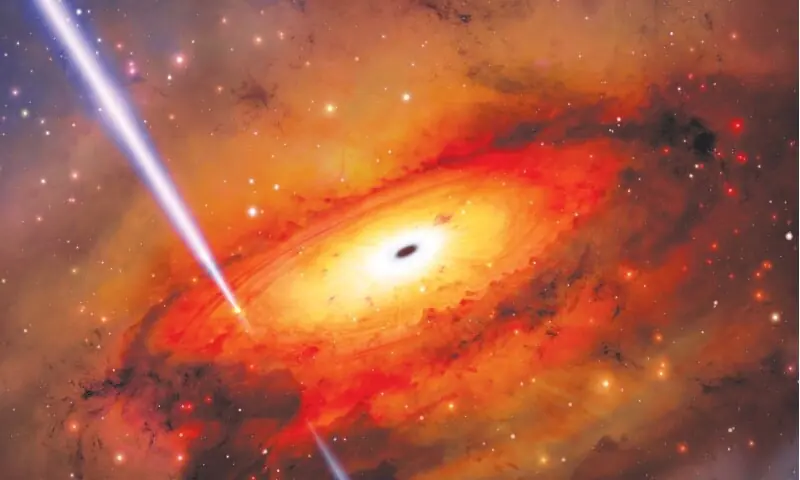
Black Hole Mass Gap
So how did scientists figure this out? Not by seeing the explosion—but by noticing what’s missing.
By studying gravitational waves from 153 black hole pairs, researchers found a strange gap: no black holes between 44 and 116 solar masses.
A “forbidden range.” Why? Because stars in that size bracket may not leave anything behind at all.
The culprit is something called a pair-instability supernova—a blast so violent it completely obliterates the star.
As Maya Fishbach explains, beyond a certain size, “there is no stellar remnant left behind.”
So next time you look at the night sky, ask yourself: how many stars didn’t just die—but disappeared entirely?