
What happens when a country loses its supreme leader in the middle of a war? In Iran, the answer came quickly—and dramatically.
Just days after the assassination of Ali Khamenei in joint strikes by the United States and Israel.
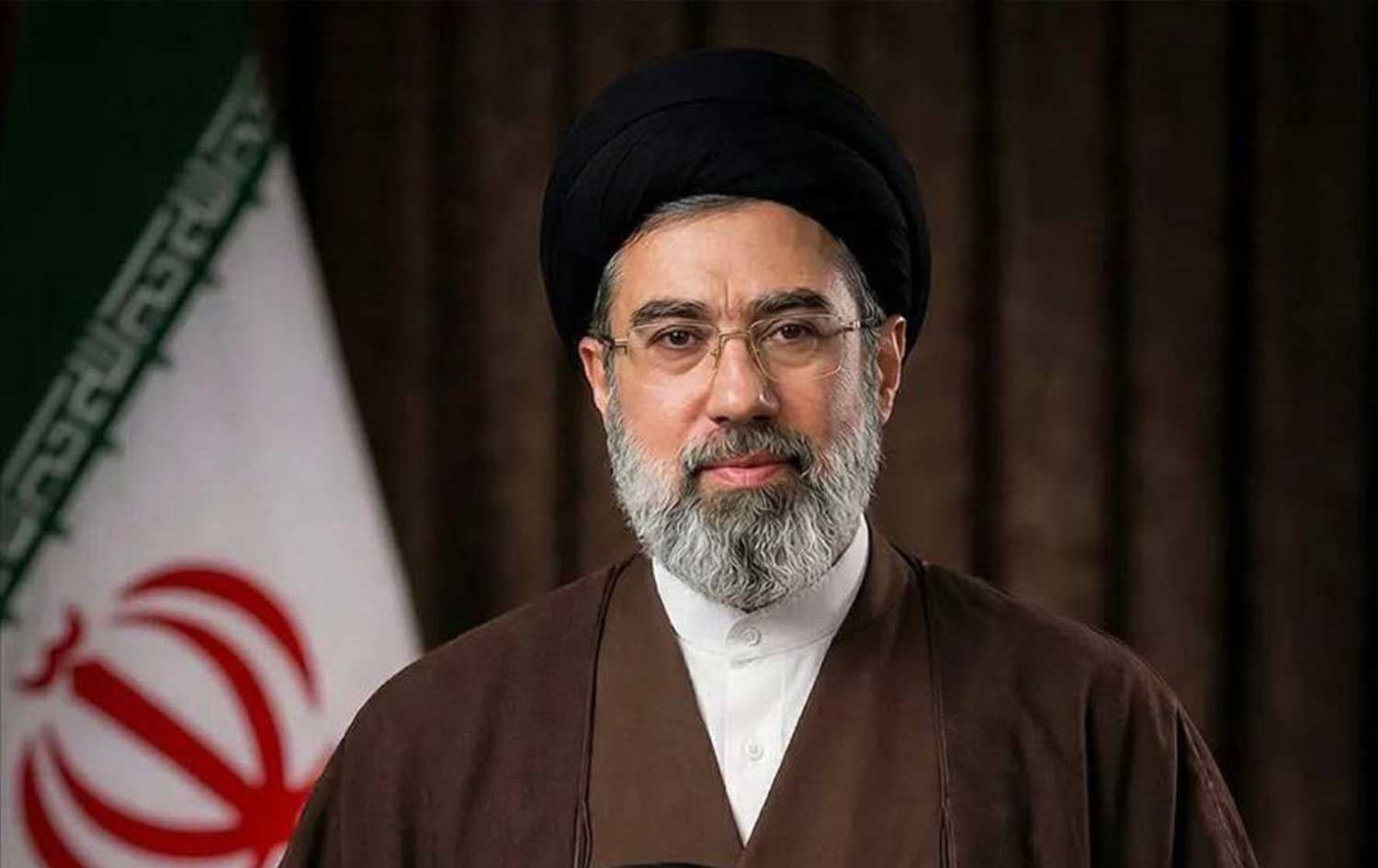
Iran’s clerical establishment has chosen his son, Mojtaba Khamenei, as the new Supreme Leader.
At 56, he now faces the daunting task of steering the Islamic Republic through one of the most turbulent moments in its 47-year history.
Support from key power centers came swiftly. The powerful Islamic Revolutionary Guard Corps and top political figures quickly pledged loyalty.
“Following the new supreme leader is a religious and national duty,” said parliament speaker Mohammad Bagher Ghalibaf.
Mojtaba Khamenei Profile
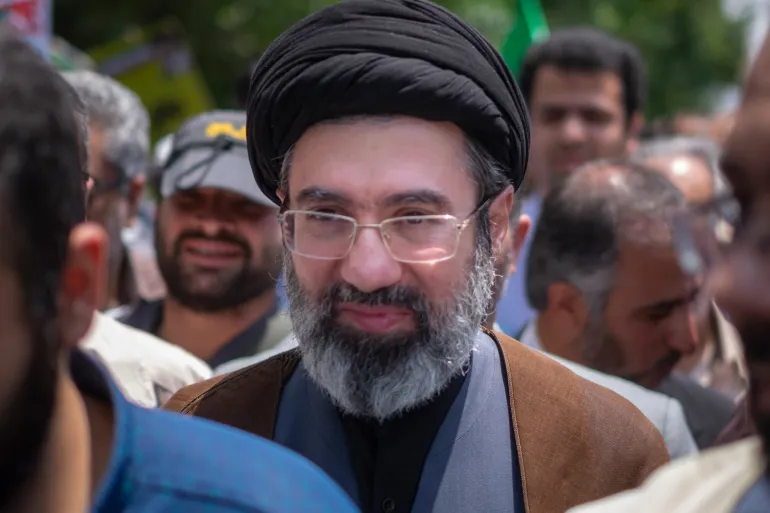
But who exactly is Mojtaba? He has never held elected office, yet insiders say he spent decades shaping decisions behind the scenes.
Analysts describe him as deeply aligned with Iran’s hardline factions.
“We’re expecting a confrontational leader, not moderation,” said Al Jazeera analyst Ali Hashem.
Meanwhile, the war continues to rage, with Israeli strikes hitting oil facilities around Tehran and Iran promising more missile attacks.
So is Mojtaba Khamenei simply continuing his father’s legacy—or writing a far more aggressive chapter?
In a region already on edge, the answer could shape the future of the Middle East.