
What happens when global powers clash and the world order starts to crack?
Smaller—but influential—nations start sticking closer together.
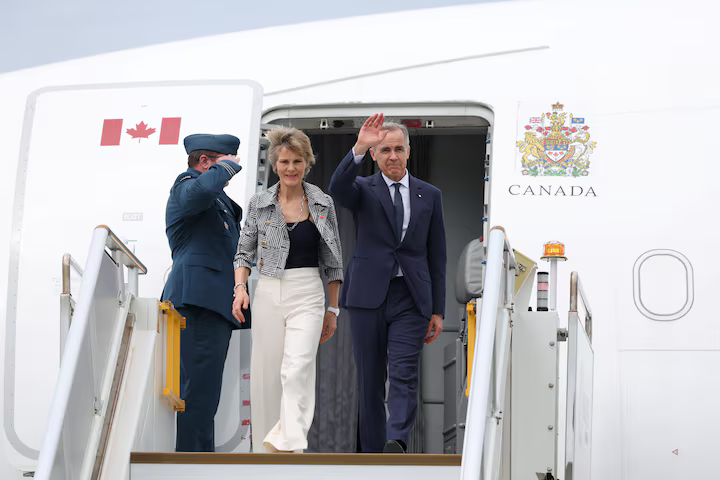
That’s exactly the message Mark Carney brought as he landed in Australia, calling this moment a “rupture” in global stability.
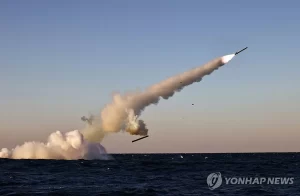
With tensions rising in the Middle East, he’s betting on stronger alliances between so-called “middle powers” like Canada and Australia.
Why now? Because the stakes are shifting. From defence to artificial intelligence, and especially critical minerals—the backbone of semiconductors and modern weapons. These countries want more control.
As one minister put it, “There’s a lot Canada and Australia can do together.”
Middle Powers Strategy
Carney’s tour, which also included Japan and India, signals a broader strategy.
Diversify partnerships, reduce reliance, and stay relevant in a rapidly changing world.
Speaking at World Economic Forum, he warned bluntly: “If we’re not at the table, we’re on the menu.”
Even Australian Prime Minister Anthony Albanese called Canada one of his country’s “closest friends.”
But this isn’t just about friendship—it’s about survival in a competitive global economy.
Because in a world dominated by giants, the real question is: can the middle powers punch above their weight—or get squeezed out?