
How fast can a regional conflict spiral into something much bigger? Faster than most expected.
What began as strikes on Iran has now dragged in Lebanon, rattled the Gulf, and sent shockwaves through global markets.
On Monday, United States and Israel intensified their campaign, hitting over 1,200 targets.
President Donald Trump signaled this isn’t ending soon—“four to five weeks,” he said, possibly longer.
The goal? Cripple Iran’s nuclear and missile programs. But at what cost?
Missiles flew back. Oil routes choked. The vital Strait of Hormuz—through which a fifth of the world’s oil flows—fell silent, sending prices soaring.
Conflict Expands Regionally
Even allies weren’t spared; chaos led to friendly fire incidents and embassy attacks.
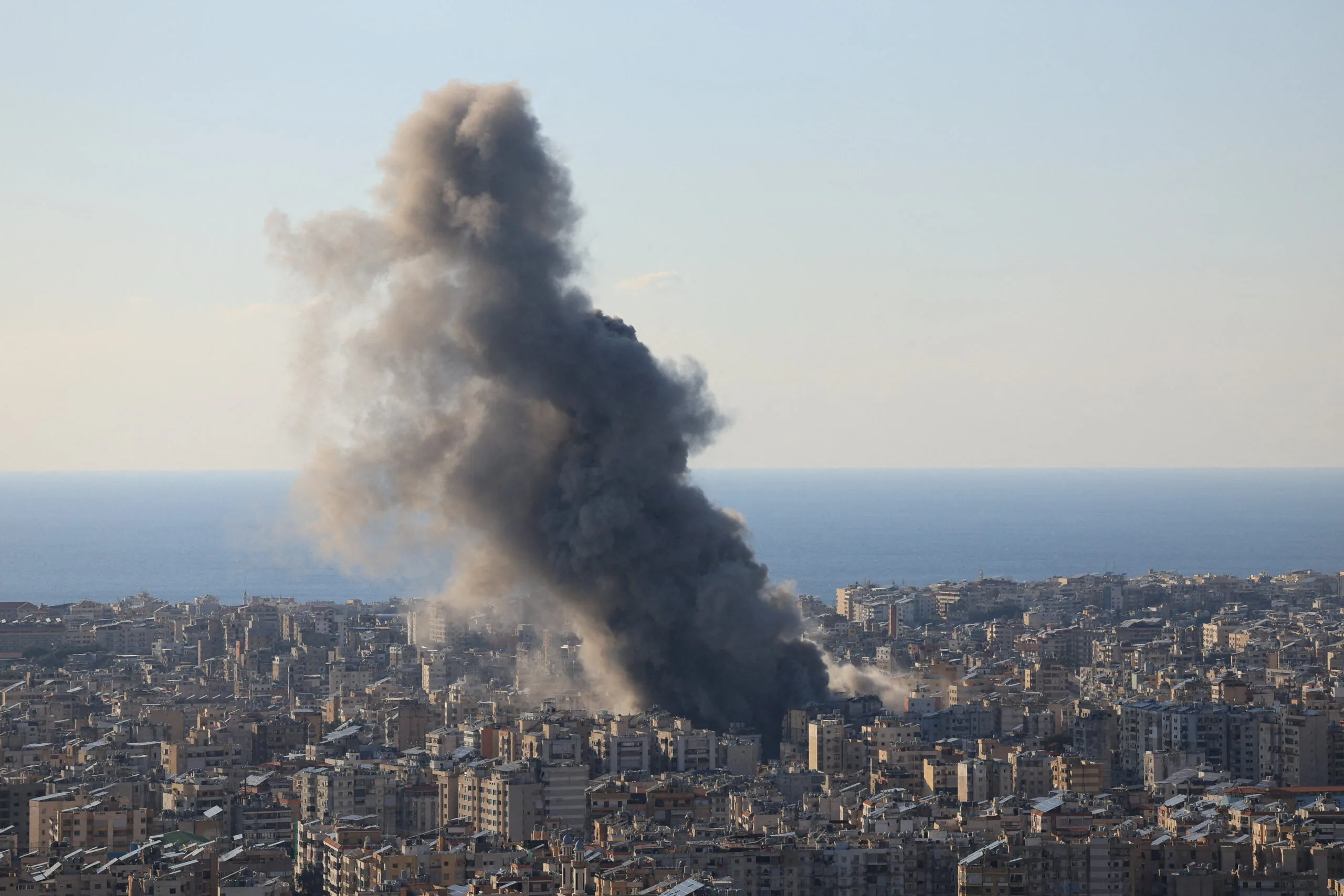
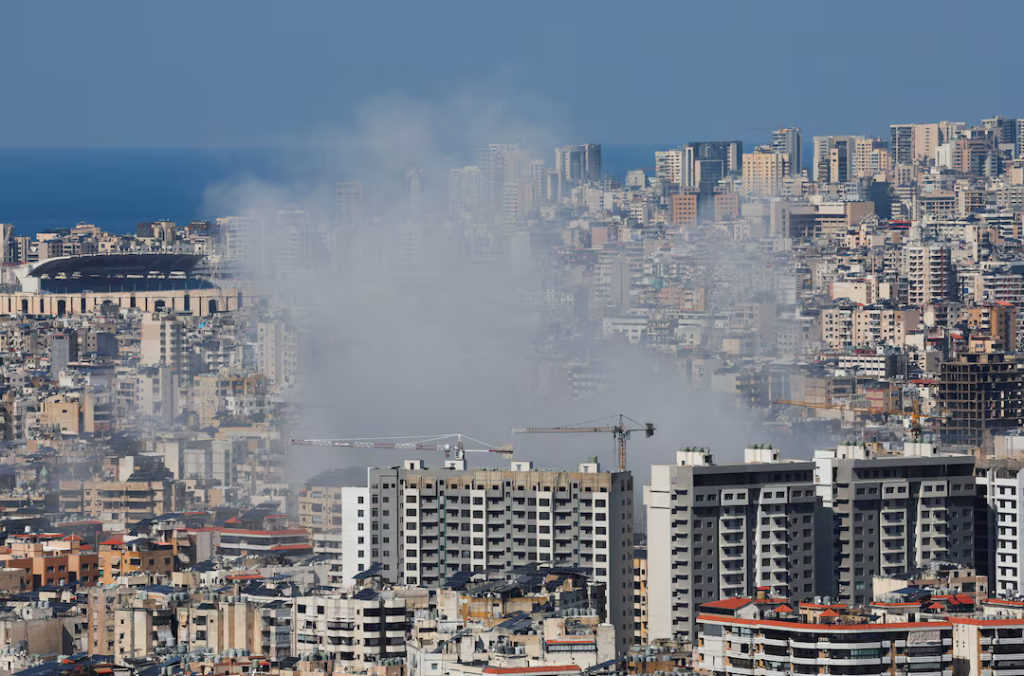
Then came a dangerous twist. Hezbollah opened a new front, firing into Israel, triggering deadly airstrikes on Beirut. Civilians are caught in the middle—again.
US officials insist it was preemptive. Critics aren’t convinced. “No evidence,” some lawmakers argue.
Meanwhile, voices on the ground paint a grim picture: “They are killing children… is this democracy?” one Iranian resident asked.
So where does this lead? Regime change? Prolonged war? Or something even harder to control?
Because once a conflict spreads this far, stopping it isn’t strategy—it’s survival.