
What happens when a decades-long geopolitical rivalry suddenly explodes into something far more personal?
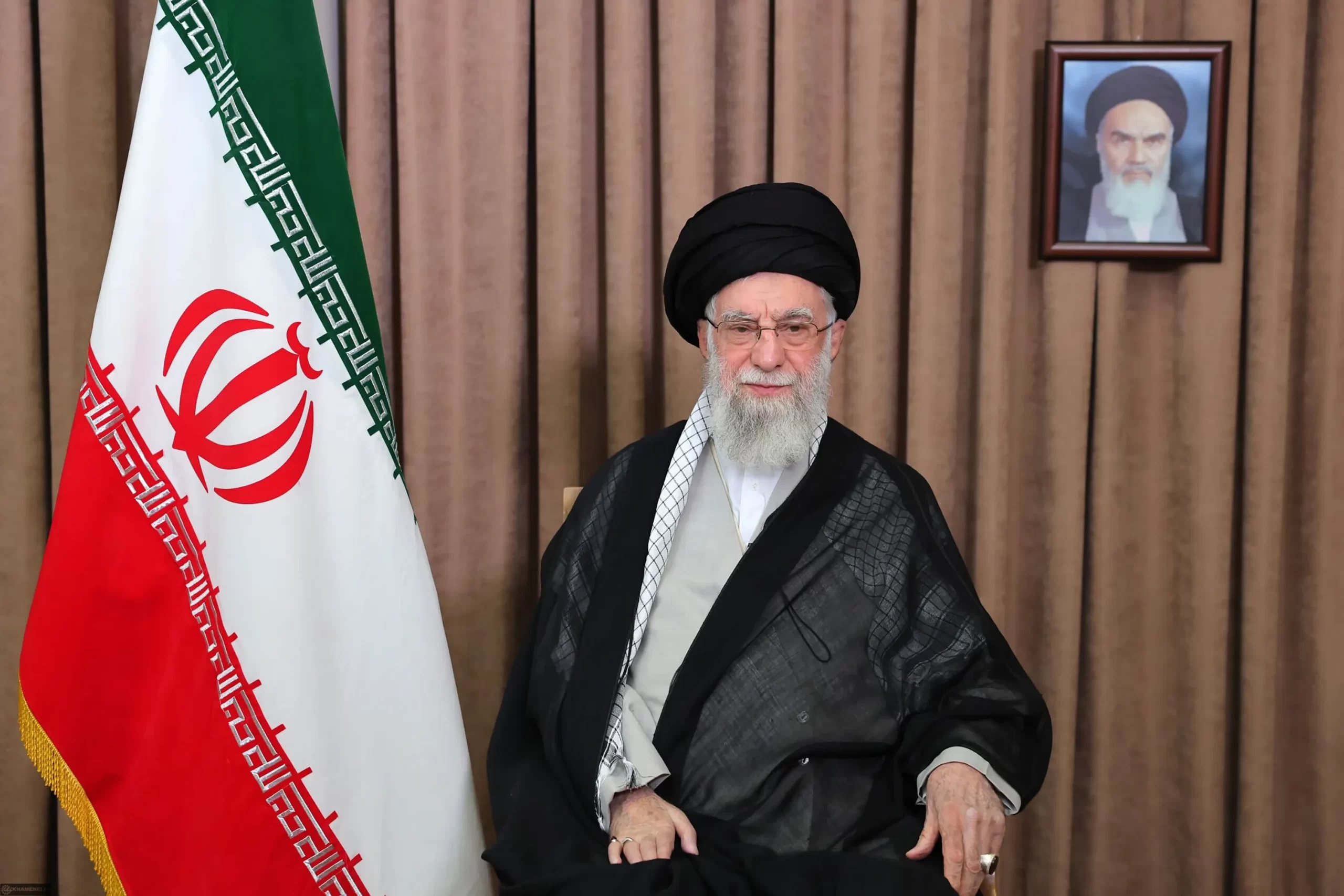
The reported killing of Iran’s Supreme Leader Ali Khamenei has sent shockwaves across the world—and raised fears of a much wider conflict.
According to Iranian state media, Khamenei was killed after coordinated strikes by the US and Israel.
Donald Trump confirmed Washington worked closely with Israel, calling it a move to eliminate a long-standing threat.
Israel’s Prime Minister Benjamin Netanyahu said the leader’s compound was destroyed.
But Iran isn’t staying silent. Within hours, missiles were reportedly fired toward Israel and multiple countries hosting US bases.
Escalation Fears Rise
The Revolutionary Guards vowed “severe punishment,” warning that retaliation would be swift and intense.
One insider put it bluntly: “This isn’t just retaliation—it’s escalation.”
Why now? Tensions had already been boiling over Iran’s nuclear ambitions.
Talks were ongoing, but officials say Tehran refused to give up uranium enrichment—something the US claims could lead to nuclear weapons.
Critics, including Antonio Guterres, have urged restraint, warning the region is “on the edge.”
So where does this lead? A targeted strike may have removed a leader—but it may also have opened the door to something far bigger.
In geopolitics, endings are rarely simple… and consequences rarely predictable.