
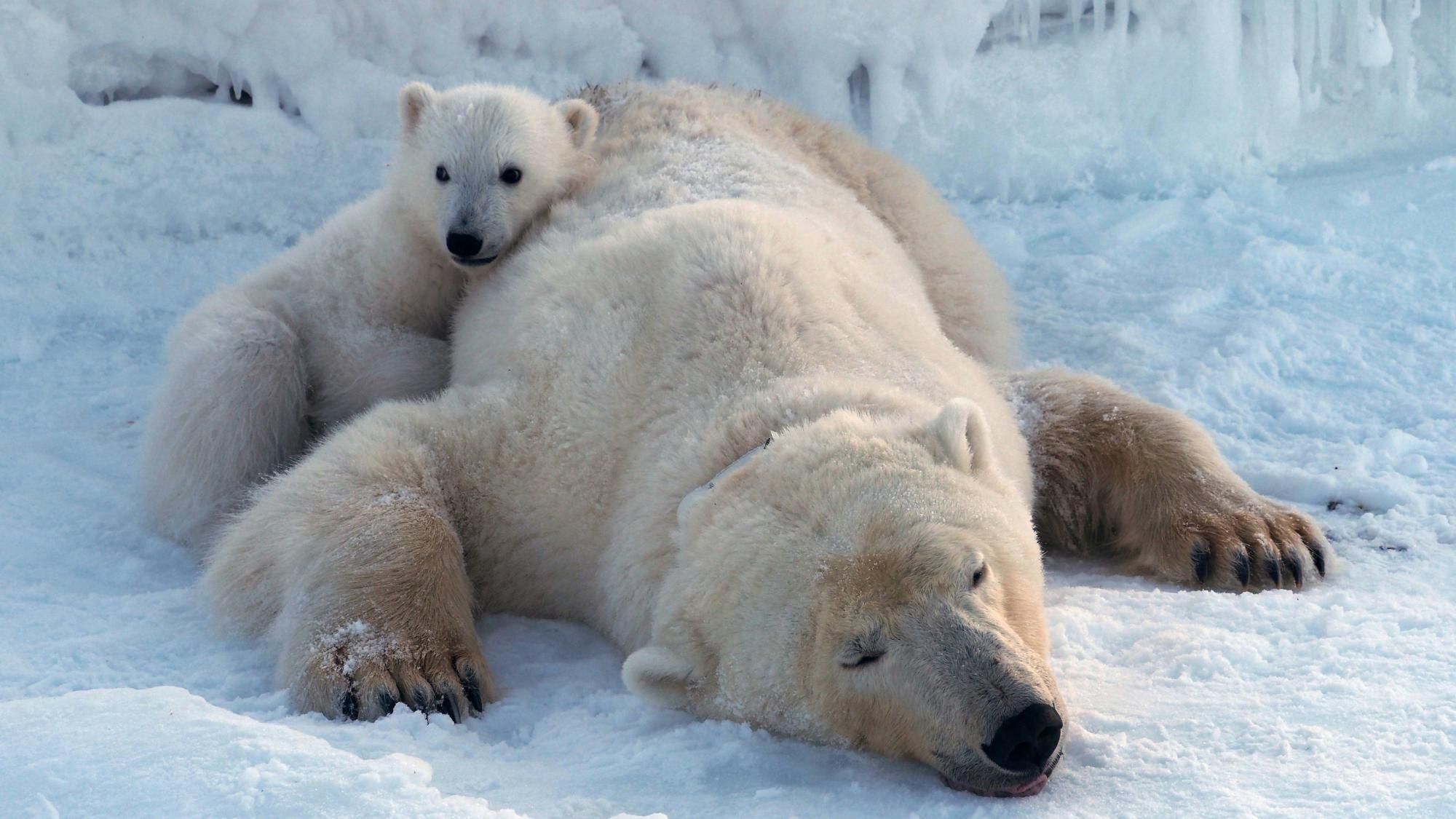
Scientists expected bad news. Instead, they got a surprise.
Polar bears in Svalbard, a Norwegian Arctic archipelago, are actually fatter and healthier than they were in the early 1990s.
Yes—despite shrinking sea ice. How does that happen?
For decades, polar bears have depended on sea ice to hunt seals, building up the fat they need to survive the brutal Arctic cold and raise cubs.
So when ice-free days in Svalbard increased by nearly 100 days over 30 years, researchers braced for decline.
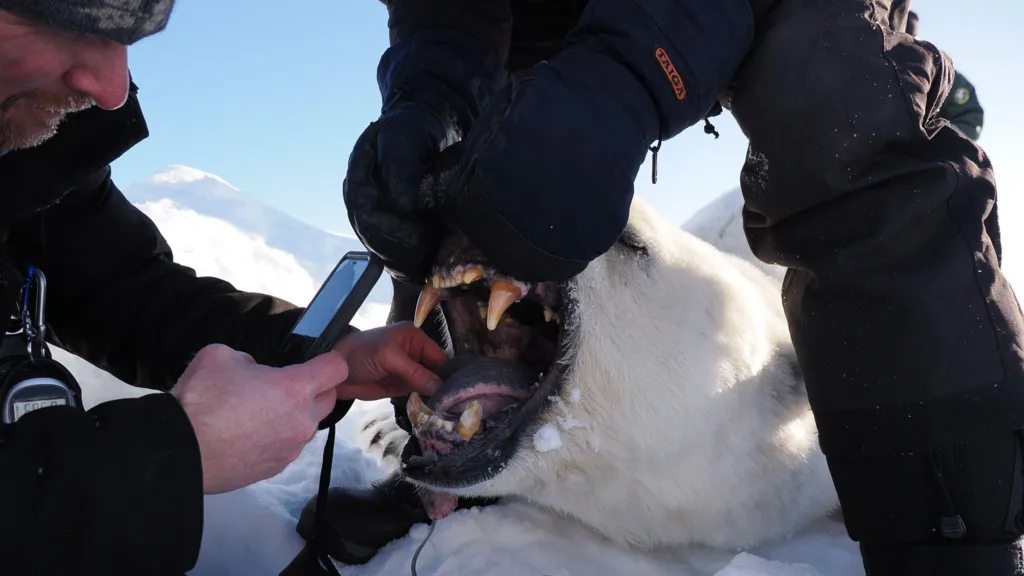
But when scientists measured 770 adult bears between 1992 and 2019, they found the opposite.
“The fatter a bear is, the better it is,” said Dr Jon Aars of the Norwegian Polar Institute. “I expected to see a decline.”
Short-Term Adaptation
So what’s changed? Flexibility. Svalbard bears appear to be adapting—feasting more on land-based prey like reindeer and walruses.
Walrus numbers, boosted by decades of protection, have become an energy-rich bonus.
Fewer ice patches may also mean seals cluster together, making hunting easier.
But before we celebrate, there’s a catch. This may be temporary.
As ice keeps disappearing, bears will need to travel farther, burn more energy, and risk losing those precious fat reserves.
Other studies already show cub survival is dropping.
In short? A short-term win in a long-term fight. The bears are coping—for now. But without sea ice, even the best adaptation has limits.