
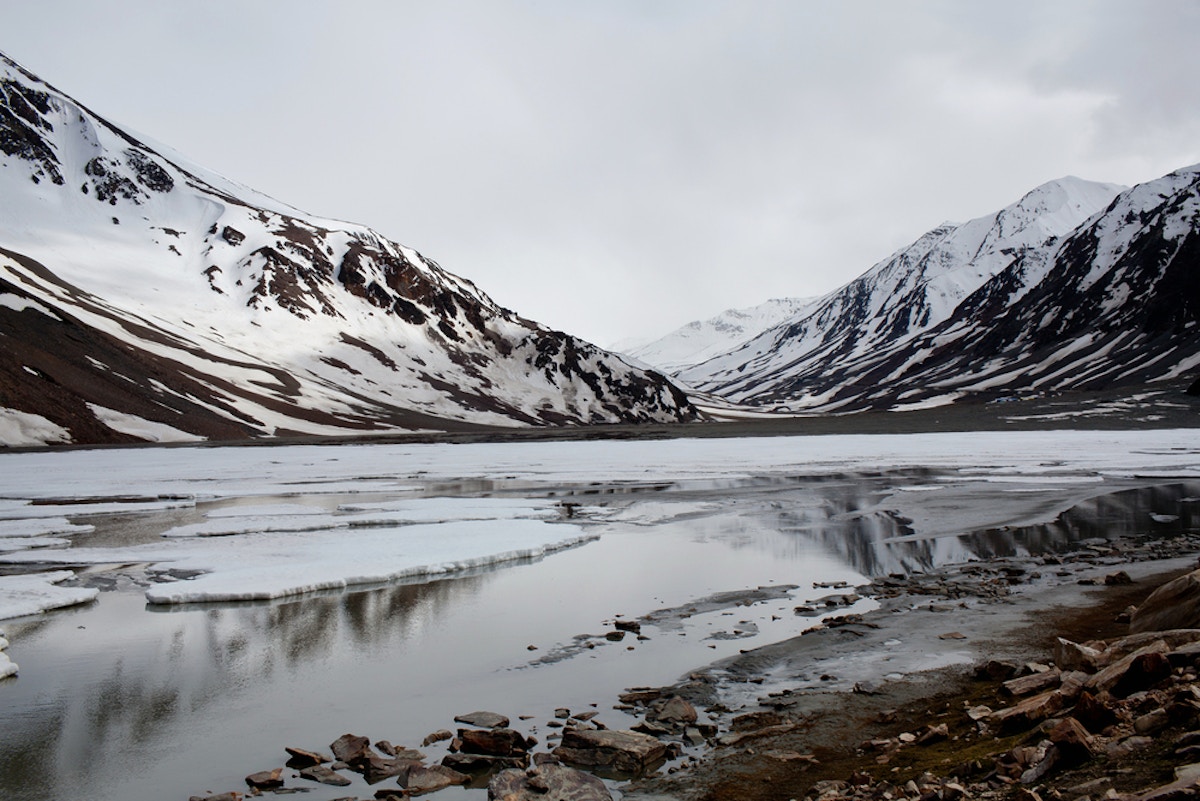
The Himalayas are supposed to sparkle in winter. So why are so many peaks looking bare, brown, and unsettlingly rocky instead?
Meteorologists say snowfall across the Himalayan region has dropped sharply.
Most winters over the past five years falling well below historical averages.
And when snow does fall? Rising temperatures mean it melts fast.
In lower areas, snow is increasingly replaced by rain — a shift scientists link directly to global warming.
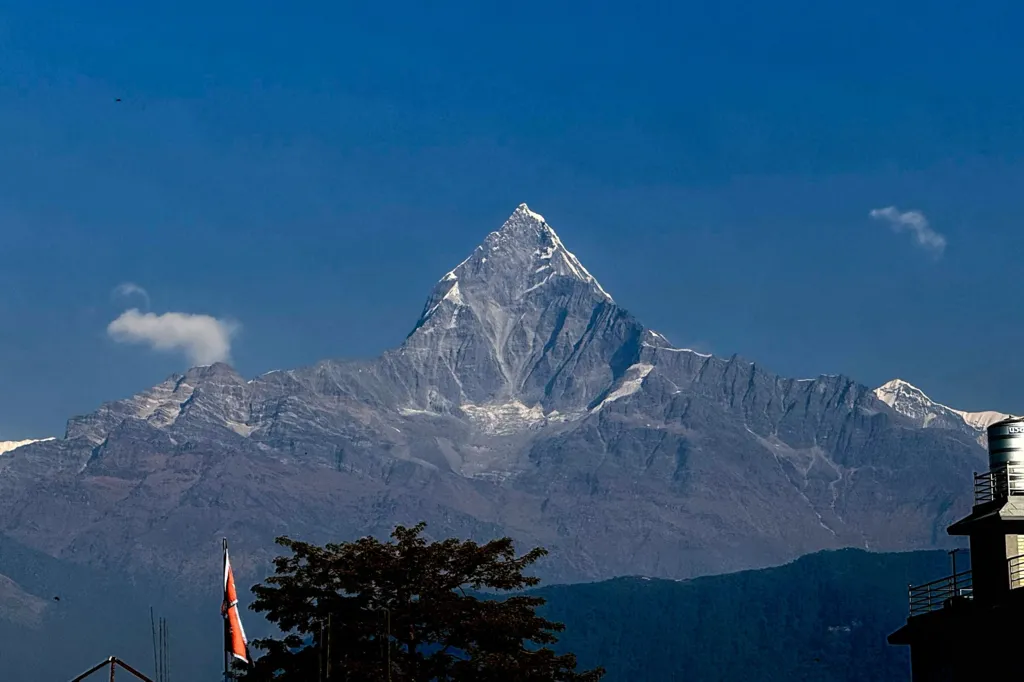
Experts now warn of a growing phenomenon called “snow drought.” In simple terms: not enough snow, for too short a time.
“There is strong evidence across datasets that winter precipitation in the Himalayas is decreasing,” says Kieran Hunt from the University of Reading.
Water Security Threatened
Why does this matter beyond the mountains? Because winter snow acts like a natural water bank.
It melts in spring, feeding rivers that supply drinking water, irrigation, and hydropower to hundreds of millions of people.
Less snow also means drier forests — and a higher risk of wildfires.
Even more worrying, melting ice destabilises mountains. Landslides, rockfalls, and glacial lake bursts are becoming more common.
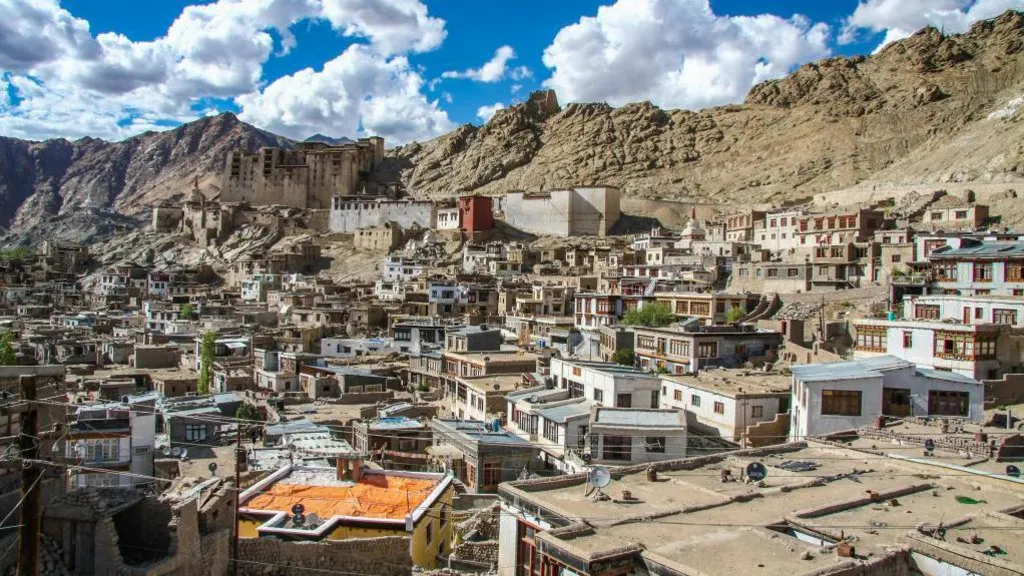
As one expert put it, ice and snow once acted as “cement” holding the mountains together.
So the Himalayas now face a double hit: shrinking glaciers and disappearing snowfall.
The peaks may still look mighty — but beneath the surface, the cracks are growing.