
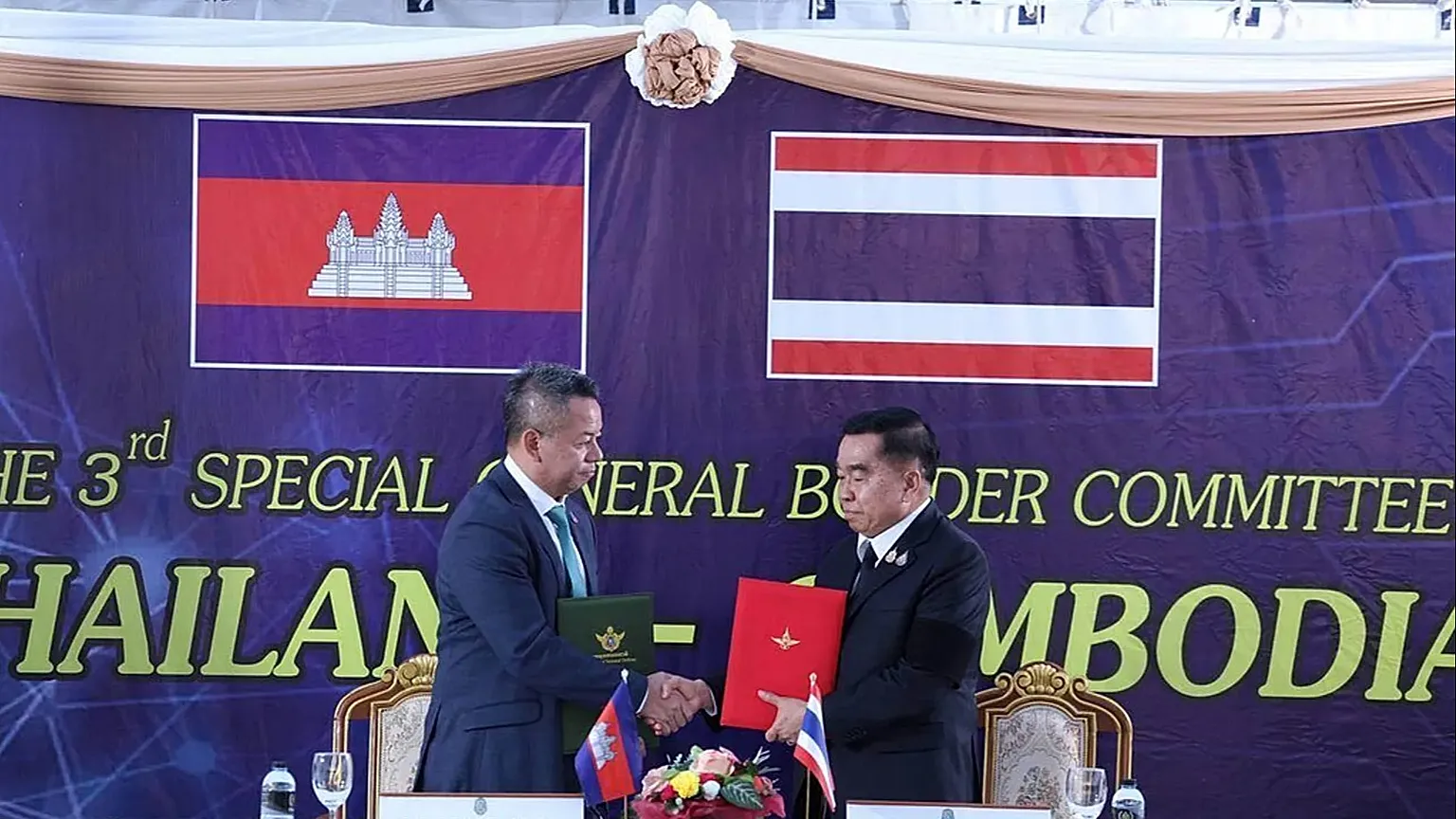
After nearly three weeks of fierce clashes along their shared border, Thailand and Cambodia have finally agreed to an immediate ceasefire. But can peace really hold this time?
The joint statement from both defence ministries froze the front lines and allowed displaced civilians—nearly a million people—to return home.
The deal also promises to remove landmines and, after 72 hours of calm, to release 18 Cambodian soldiers who have been held by Thailand since July.
Diplomatic nudges from China and the US helped push the breakthrough.
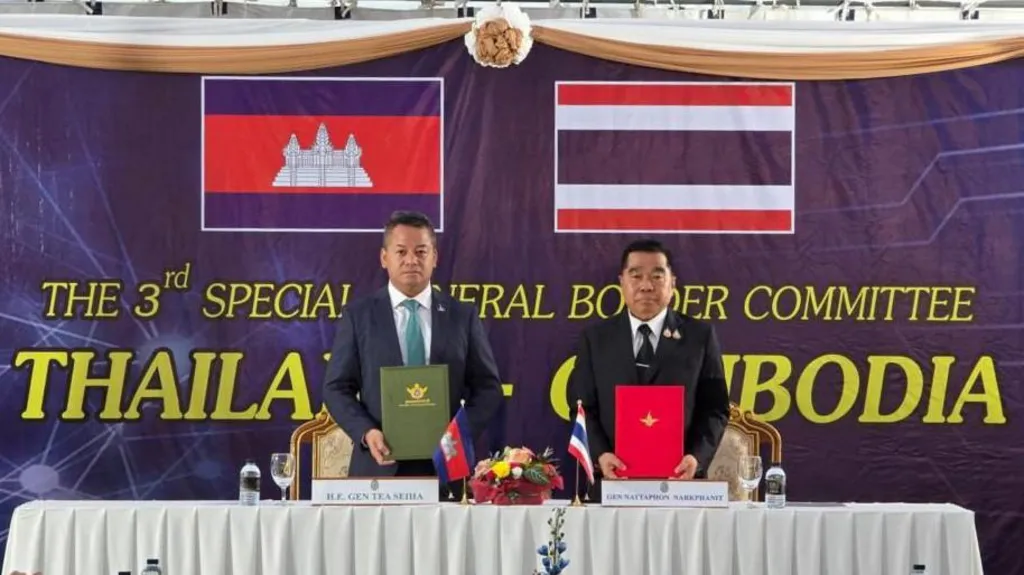
Thailand’s Defence Minister Natthaphon Narkphanit was clear-eyed about the risks.
“Should the ceasefire fail to materialise or be violated, Thailand retains its legitimate right to self-defence under international law.”
Ceasefire Faces Challenges
This isn’t the first truce. A ceasefire in July collapsed, reigniting violence that saw fresh airstrikes and accusations flying from both sides.
Nationalist sentiment runs high, and Cambodia has suffered heavy losses in soldiers, equipment, and morale—a reality that could make a lasting peace tricky.
The roots of the dispute stretch back over a century, flaring most recently after patriotic songs were sung at a disputed temple.
Past agreements, like the “Kuala Lumpur Peace Accords” brokered with Malaysia and endorsed by Trump, showed promise but proved fragile.
So, will this ceasefire hold, or is it another pause in a long-standing tug-of-war?
For now, civilians are heading home, but the real test will be whether politics, pride, and history can stay in check long enough for peace to take root.