
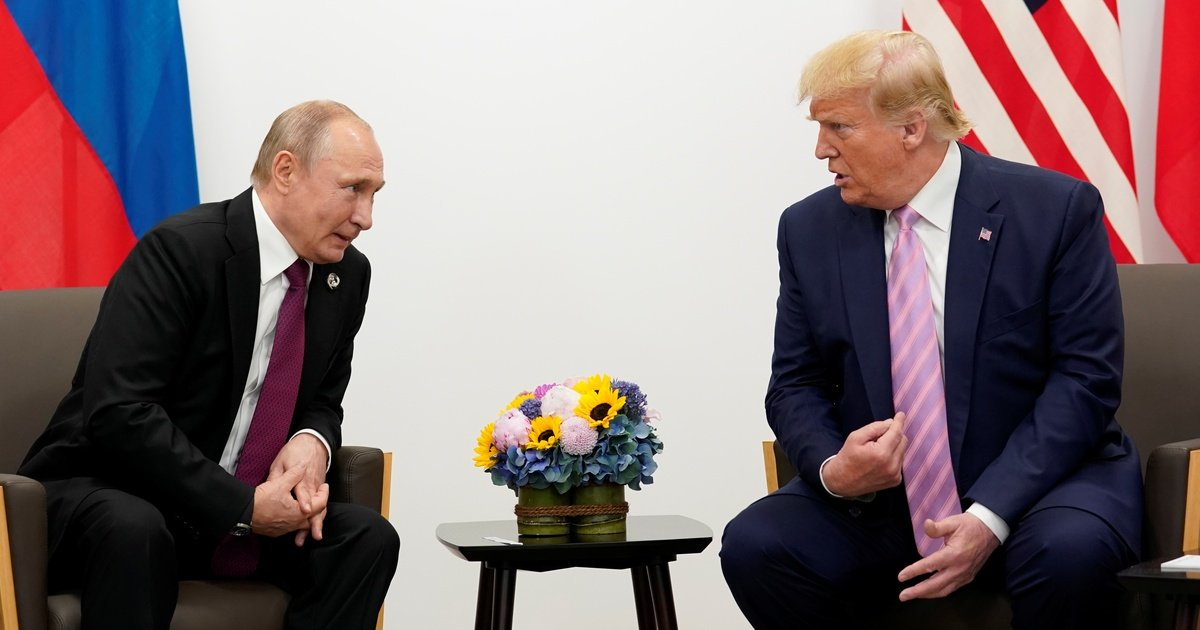
Russia is surprisingly pleased with President Donald Trump’s new National Security Strategy — a 33-page document.
Some European officials say it reads uncomfortably like Kremlin talking points. So what’s in it that has Moscow smiling?
For starters, the strategy avoids labeling Russia as a threat and instead warns that Europe is on the brink of “civilisational erasure.”
It blames mass migration, foreign influence, and even alleged EU “censorship” for the continent’s decline.
The Kremlin’s spokesperson, Dmitry Peskov, called the policy “largely consistent with our vision” — a line that raised eyebrows across Europe.
The document also suggests that the US should push back against “Europe’s current trajectory.”
It should lend support to “patriotic European parties,” language critics say echoes far-right rhetoric.
Allies Question Strategy
Former Swedish PM Carl Bildt didn’t mince words, arguing the report “places itself to the right of the extreme right.”
Meanwhile, EU leaders — currently in tense Ukraine peace talks with Washington — are trying to stay diplomatic.
Germany’s foreign minister gently questioned why freedom-of-expression debates appeared in a national security strategy.
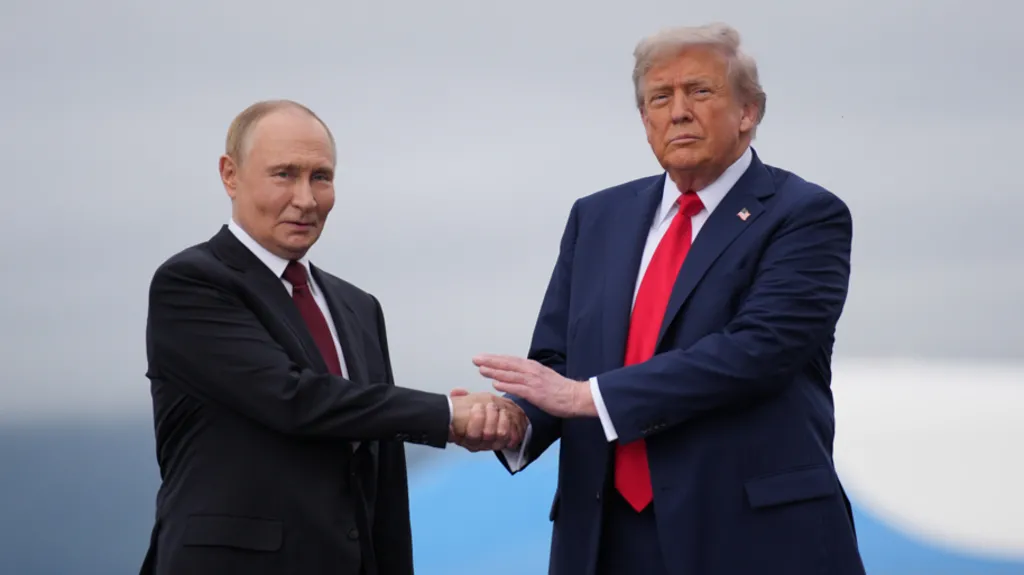
Poland’s Donald Tusk was more blunt: “Europe is your closest ally, not your problem.”
Back in Washington, Democrats warn the strategy could damage US alliances.
One lawmaker called it “catastrophic to America’s standing.”
The big question now? Whether this strategy reshapes global alliances — or simply reshuffles old tensions in a new package.