

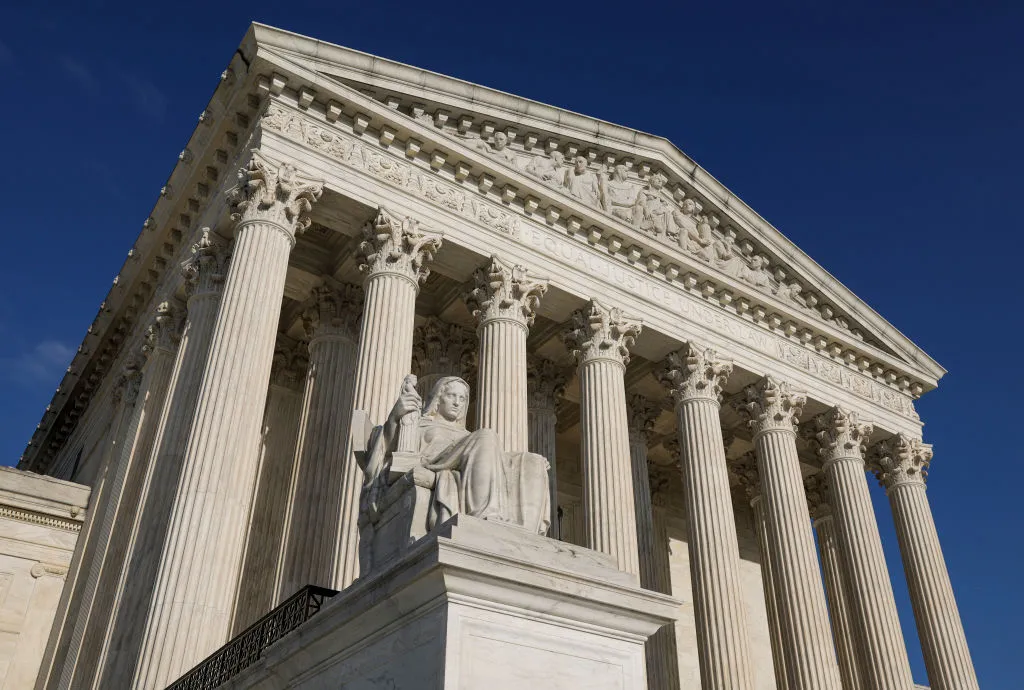
The US Supreme Court is stepping into one of America’s most heated debates: who gets to be a citizen by birth.
The justices have agreed to hear a challenge to Donald Trump’s attempt to end birthright citizenship for children born in the US to undocumented parents.
It was a move he signed on Day One of his presidency, only to see it blocked in court again and again.
For nearly 160 years, the 14th Amendment has been crystal clear: if you’re born on US soil, you’re an American.
The only exceptions? Children of diplomats or foreign military members. So why is this suddenly up for debate?
Trump’s team argues that the amendment’s phrase “subject to the jurisdiction thereof” was never meant to include children of people in the country illegally.
It was never meant to include children of people on temporary visas.
They say revisiting the rule is necessary to protect national security.
Birthright Citizenship Challenge
Civil rights groups see it very differently. “No president can rewrite the 14th Amendment,” says Cecillia Wang of the ACLU.
She calls birthright citizenship a core American tradition.
Lower courts mostly sided with that view, blocking Trump’s order.
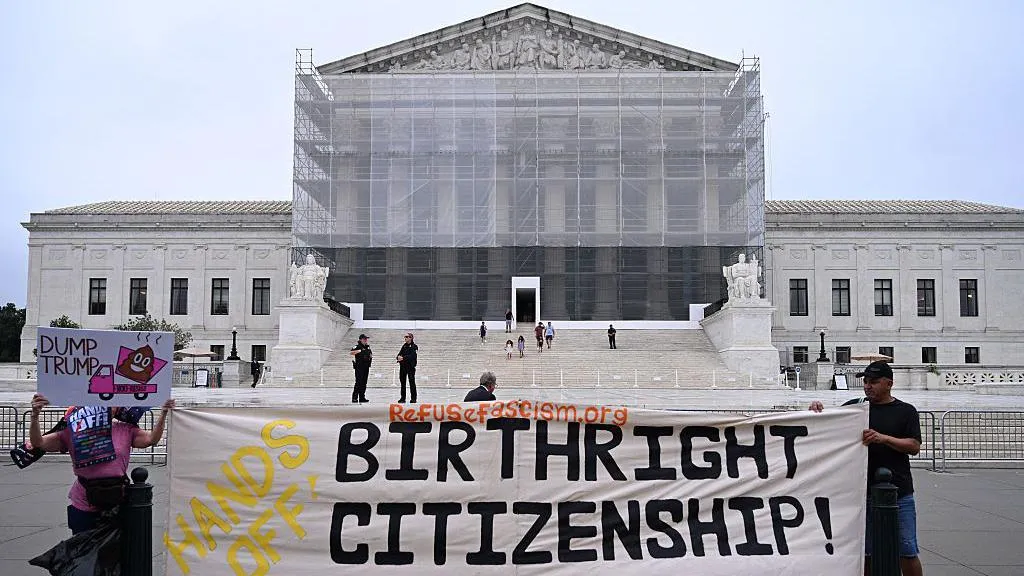
Until the Supreme Court stepped in this year and said those injunctions went too far, opening the door for a full hearing.
Now, the country waits. Will the Supreme Court redraw the definition of American citizenship?
Or reaffirm a principle rooted in the post–Civil War fight for equality?
The answer could reshape the nation — and the lives of thousands of children.