
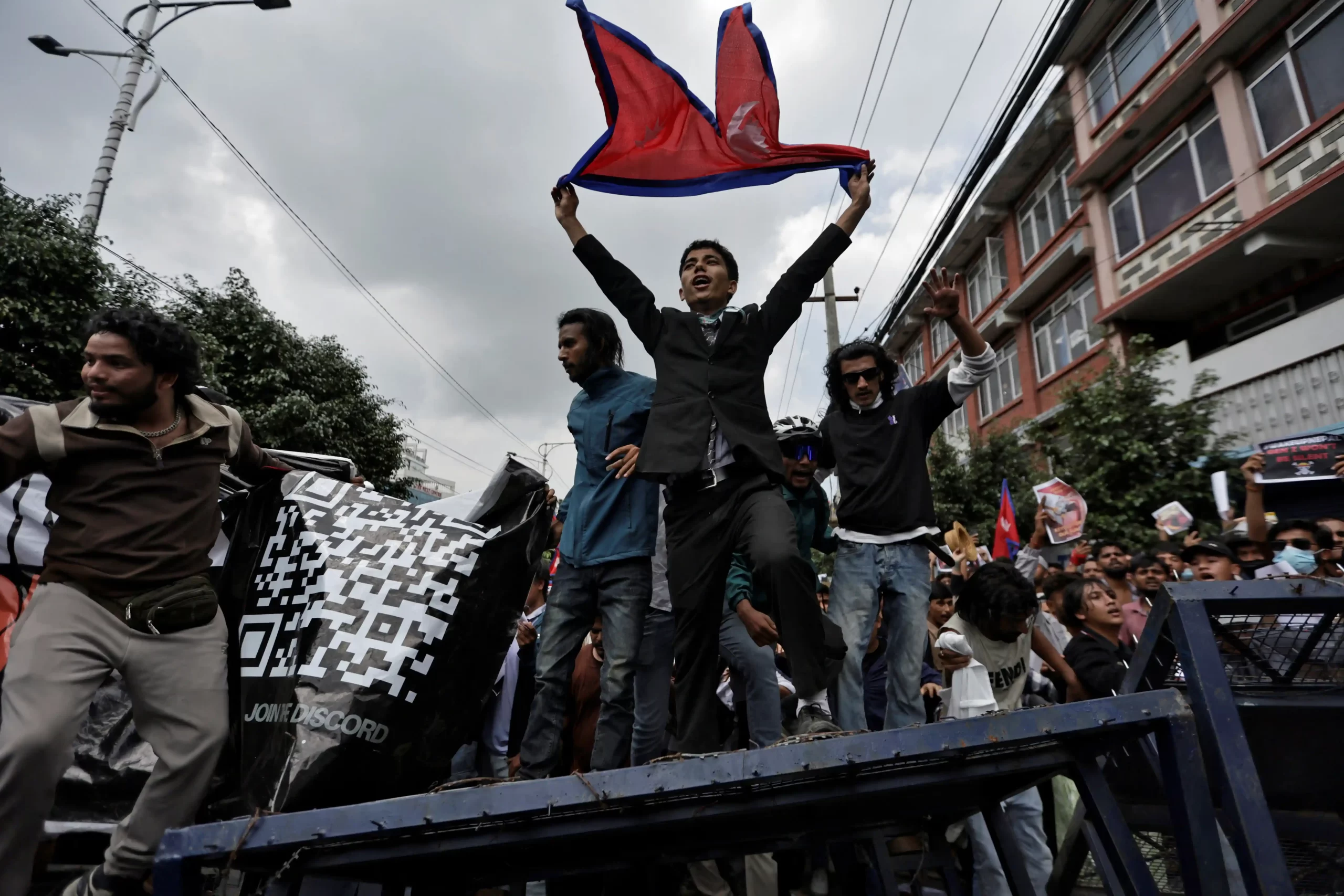
In early September 2025, Nepal saw an explosive outbreak of anti-corruption demonstrations dubbed the “Gen Z protests” sparked by the government’s abrupt ban on 26 social media platforms, including Facebook, WhatsApp, Instagram, YouTube, LinkedIn, Reddit, and Snapchat. The restrictions were imposed under new regulations requiring local registration of these platforms, which critics viewed as censorship amid rising frustration over perceived elite misconduct.
Authorities reported at least 19 fatalities and hundreds more injured
On September 8, thousands ,mainly young people and students took to the streets of Kathmandu and other cities, demanding the restoration of social media and an end to systemic corruption and nepotism. Tensions escalated when protesters attempted to storm the Federal Parliament, prompting security forces to respond with tear gas, water cannons, rubber bullets, and live ammunition.
By that day’s end, authorities reported at least 19 fatalities and hundreds more injured: marking one of Nepal’s deadliest unrests in decades.
In response to the violence, the government swiftly lifted the social media ban—restoring access to all previously blocked platforms by the morning of September 9. A curfew was imposed across the Kathmandu Valley and several other cities as authorities sought to contain further unrest. Political fallout quickly followed: Home Minister Ramesh Lekhak resigned on moral grounds, while human rights organizations, including Amnesty International and the UN’s human rights office condemned the crackdown, calling for independent investigations into the excessive use of force and accountability for those responsible.
Candlelight Vigils Held Across U.S. in Solidarity With Nepal Protesters
In solidarity with those back home, members of the Nepali diaspora organized vigils across the United States, gathering in cities such as San Francisco, Dallas, and Boston. These events drew crowds of expatriate Nepalis and supporters who lit candles, held placards, and shared emotional calls for justice and democracy. Despite being thousands of miles away, the community sought to amplify the voices of protesters in Nepal, demonstrating a powerful reminder that the struggle for accountability and freedom resonates far beyond the country’s borders.
What the Youth Really Want:
The people of Nepal especially the Gen Z protesters are demanding far more than just the reversal of the government’s sudden social media ban. Protests have also grown into a larger fight against corruption, nepotism, and elite privilege, fueled by frustration over scandals where politically connected families enjoyed unchecked power while ordinary citizens struggled.
Protesters are further pressing for accountability from leaders, with several ministers already resigning, though many continue to call for deeper change, including the resignation of Prime Minister KP Sharma Oli. What began as a push for online rights has quickly become a generational uprising demanding transparency, justice, and systemic reform in Nepal.